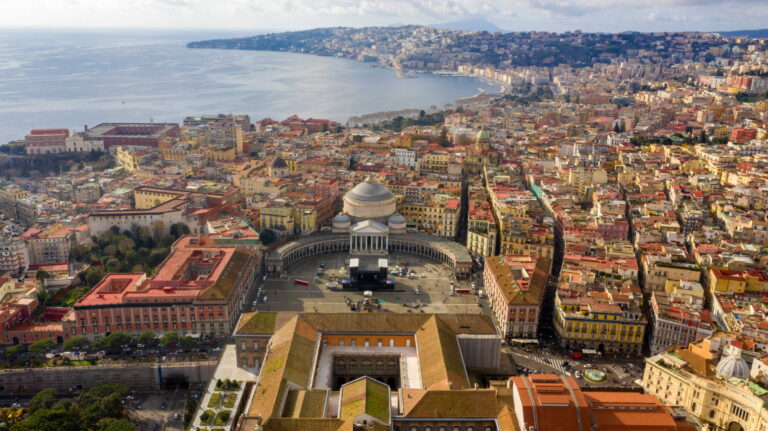
Three days is the right amount of time to really start getting to know Naples, without the frustration of having to choose between two museums in the same morning or rushing from one end of the city to the other. It’s not enough to exhaust it, to be clear: Naples is a city that reveals itself slowly, and every visitor who returns discovers they left something unexplored. But three well-organised days, at a human pace, with the odd pause for a coffee at the counter or a warm sfogliatella, are enough to see the best of the city without feeling rushed. Here’s an itinerary designed to be experienced on foot, unhurried.
Day 1: the ancient heart, between the Duomo and Spaccanapoli
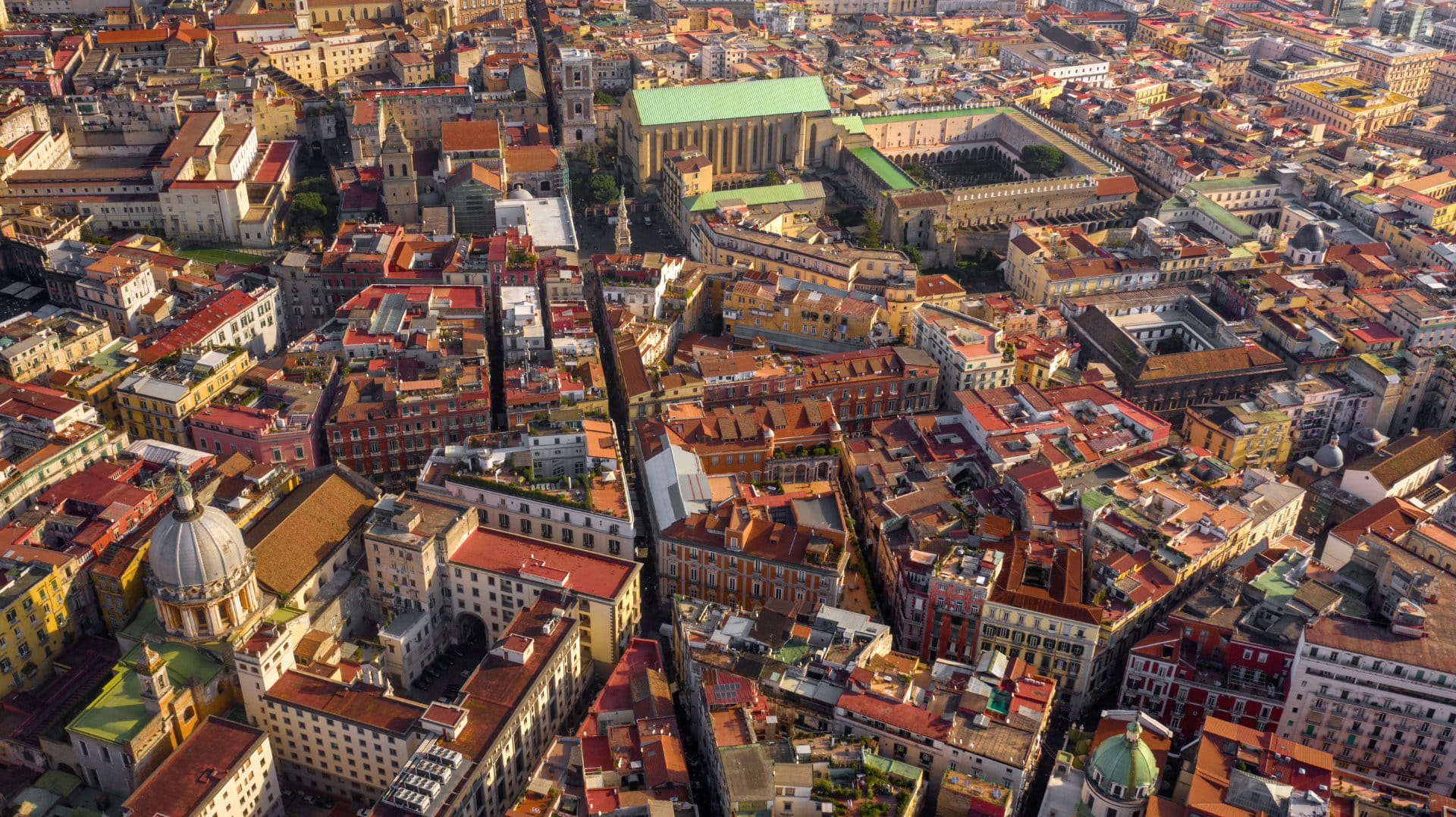
The first day is devoted to the historic centre, the beating heart of Naples and a UNESCO World Heritage site. It begins at the Duomo di Napoli, dedicated to San Gennaro, the city’s patron saint, before continuing to the Cappella Sansevero, where Giuseppe Sanmartino’s Veiled Christ leaves anyone who sees it up close breathless. From here, head down along Spaccanapoli, the straight thoroughfare that cuts the old centre in two, passing through San Gregorio Armeno, the famous street of nativity-scene craftsmen, open and lively all year round, not only at Christmas. The afternoon lends itself to a stop along Via dei Tribunali, among the city’s most famous historic pizzerias, and a visit to Napoli Sotterranea, to discover the maze of tunnels, cisterns, and cavities carved into the tufa stone that has stretched beneath the city’s surface for over two thousand years. A packed first day, but one that’s manageable if you avoid chasing every single attraction.

Day 2: the seafront and Naples’ elegant side
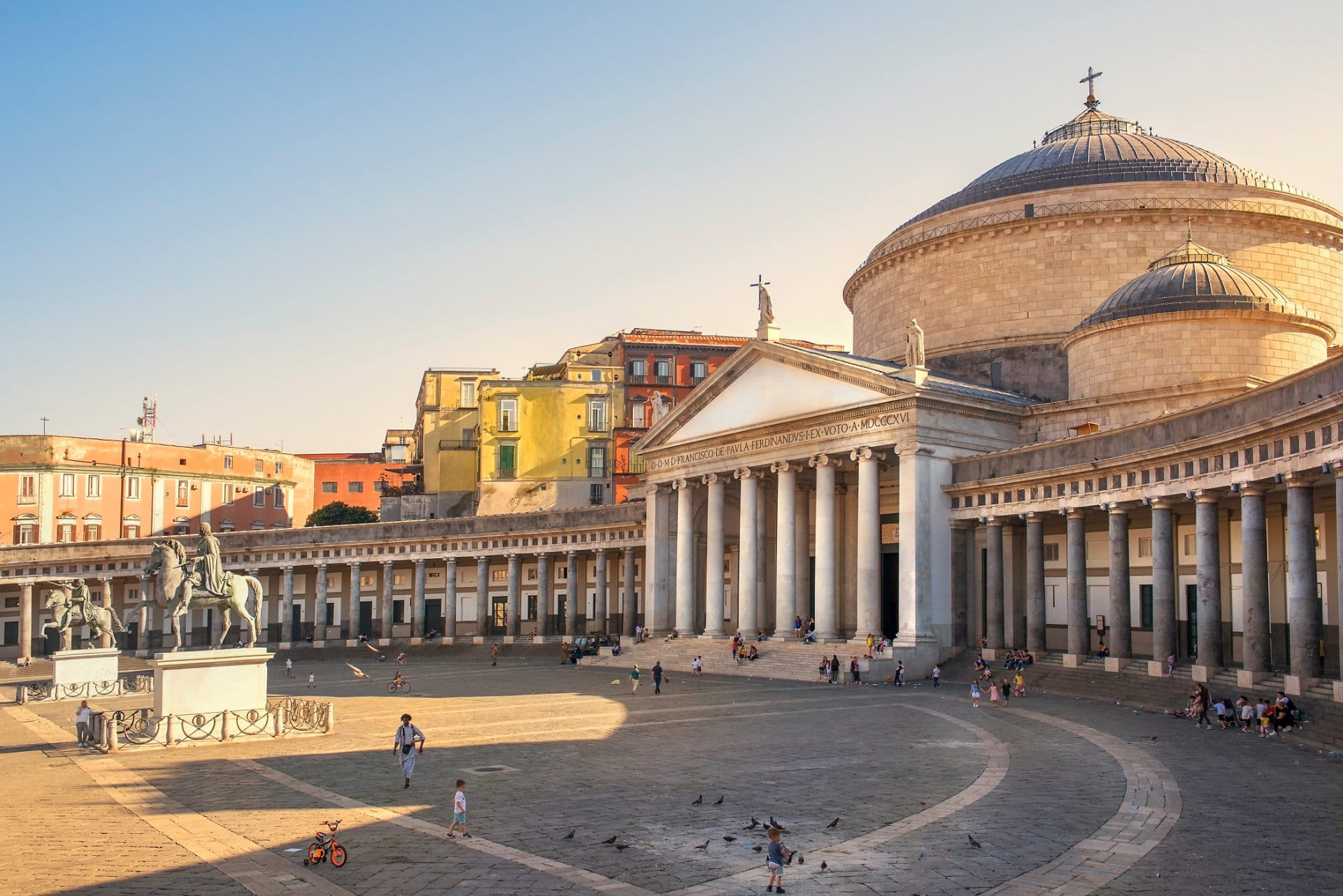
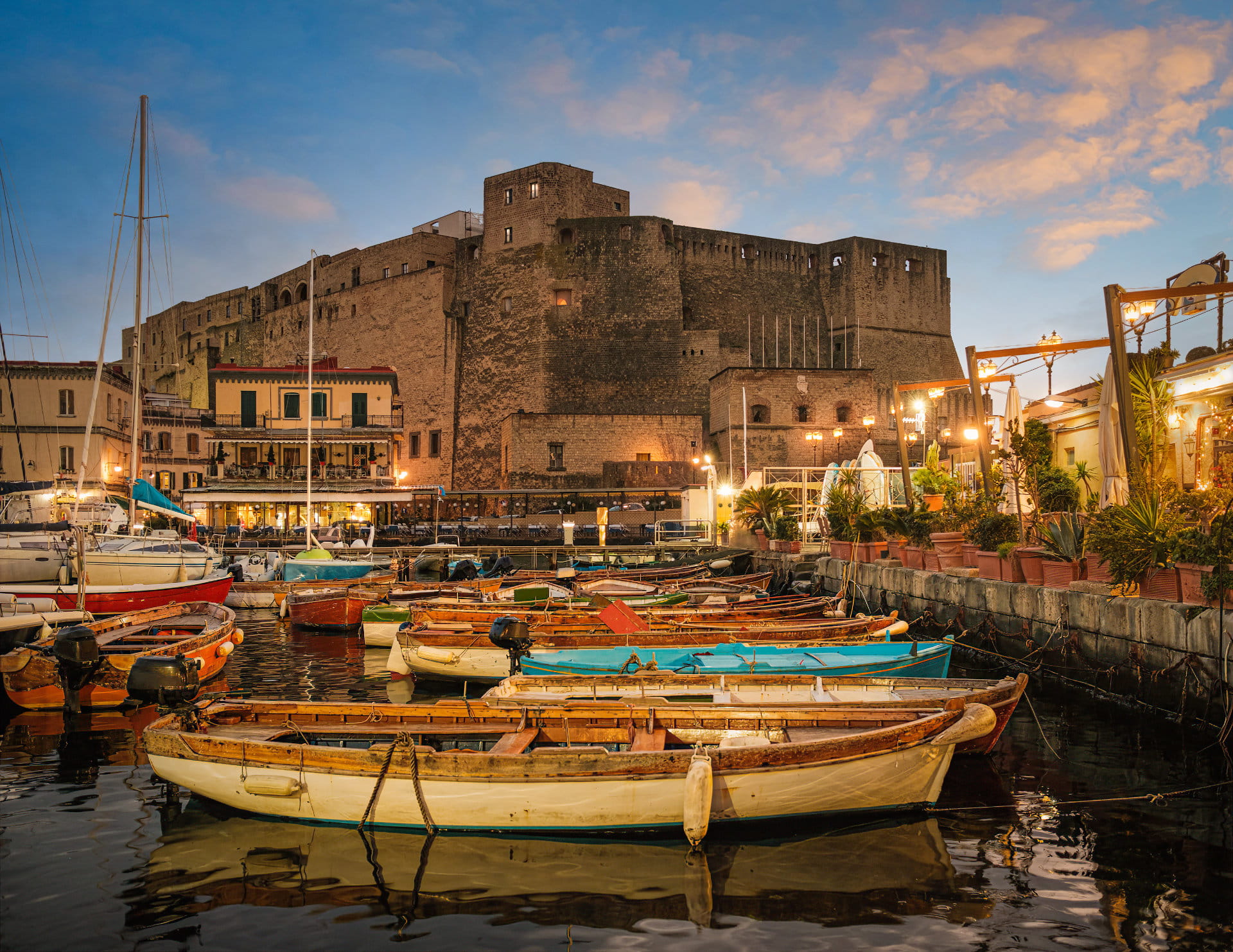
The second day moves towards the sea and Naples’ more refined side. It starts at Castel dell’Ovo, the city’s oldest castle, which rises on a small island connected to the mainland and offers one of the most beautiful views of the gulf. From there, continue along Via Caracciolo, the pedestrian seafront promenade that lets you walk with the sea on one side and the Vomero hill in the background. Next, head towards Piazza del Plebiscito, one of the largest and most spectacular squares in Italy, flanked by the Royal Palace and the Basilica of San Francesco di Paola. Nearby are the Galleria Umberto I, a splendid example of 19th-century iron-and-glass architecture, and the Teatro San Carlo, one of the oldest opera houses in the world still in operation. The day ideally winds down towards Piazza Municipio, with the Maschio Angioino castle and the Fontana del Nettuno, before treating yourself to an aperitivo in the Chiaia district, among elegant streets and more contemporary venues.
Day 3: heading uphill, panoramic views, and a change of pace
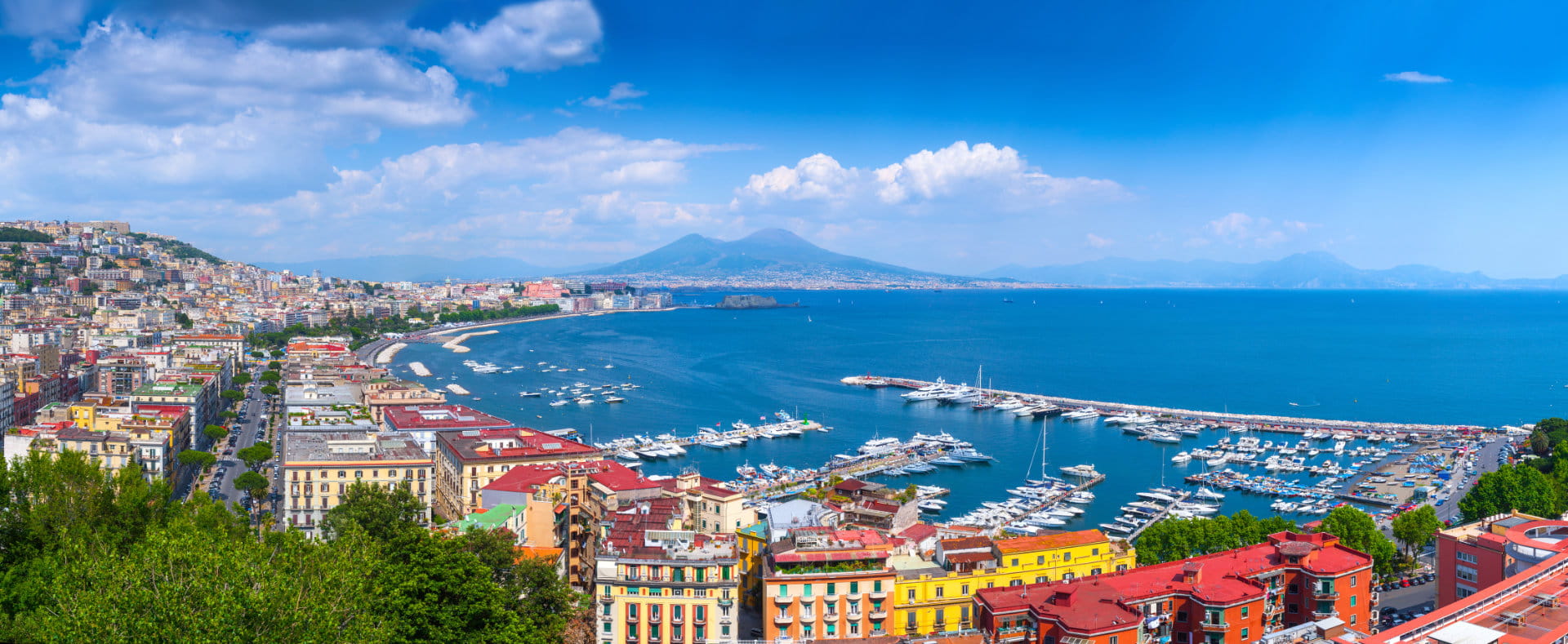
For the final day, it’s worth climbing in altitude — literally. The funicular railway connecting the centre to the Vomero district is an experience in itself, offering the first sweeping views of the city receding below. At the top are Castel Sant’Elmo, a star-shaped fortress with one of the most spectacular panoramic terraces over Naples and the gulf, and the Certosa di San Martino, a former monastic complex now a museum, combining art, Baroque architecture, and further breathtaking views over the city below. Those with energy left and an interest in art can continue on to the Museo di Capodimonte, home to one of Italy’s most important painting collections, housed inside a former Bourbon royal palace surrounded by a large park. Alternatively, those who’d rather dedicate the third day to a day trip can consider an excursion to the archaeological site of Pompeii, easily reached by train from the central station.

Practical tips for a genuinely realistic itinerary
Naples is a city best enjoyed on foot, but it’s also a city where it’s worth slowing down: it’s better to see fewer things calmly than to chase an endless list of monuments. It’s always advisable to leave some unplanned free time, perhaps to get lost down a side alley or stop to watch neighbourhood life from a bar. It’s also worth factoring in the season: in summer, it’s best to plan your walks during the cooler hours of the day, while in winter, shorter days call for a slightly more compact schedule.
Where to take a break along the way
A walking itinerary only works if you allow yourself time to stop. Between one stop and the next in the historic centre, it’s worth giving in to the temptation of a break at one of the historic pizzerias on Via dei Tribunali, or a cuoppo of mixed fried food to enjoy while wandering the alleys. Along the second day’s route, towards Chiaia, it’s easy to find a bar to stop at for a caffè sospeso or an aperitivo with a view of the gulf, while on the third day, between Vomero and Capodimonte, venues with panoramic views offer the ideal setting for a longer break, perhaps while taking in the city from above. Building these moments into the itinerary isn’t wasted time: it’s an integral part of the Neapolitan experience, lived as much among the monuments as between one glass and the next.
Discover Naples with us
A three-day itinerary can easily turn into a checklist rushed through, or it can become a genuine story of the city, full of anecdotes, curiosities, and views that only someone who truly knows Naples can point out. OtherWise Travel's walking tours are designed for exactly this: turning each day of your itinerary into a guided experience, unhurried and without giving up anything essential. Discover Naples with us.