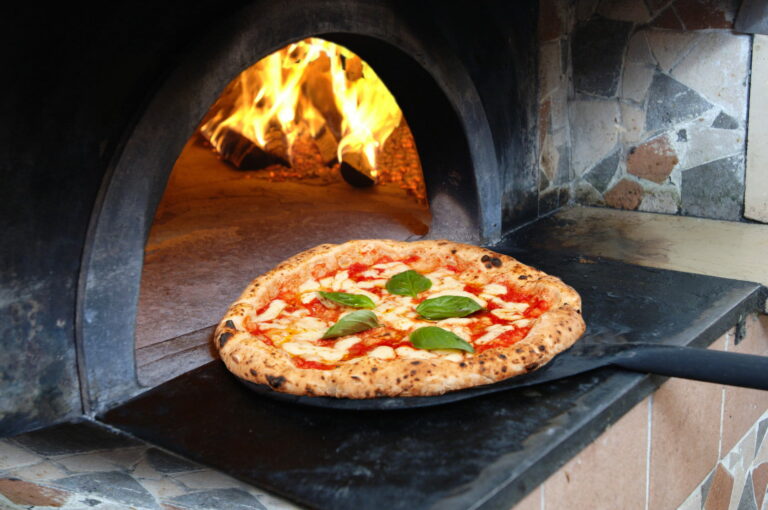
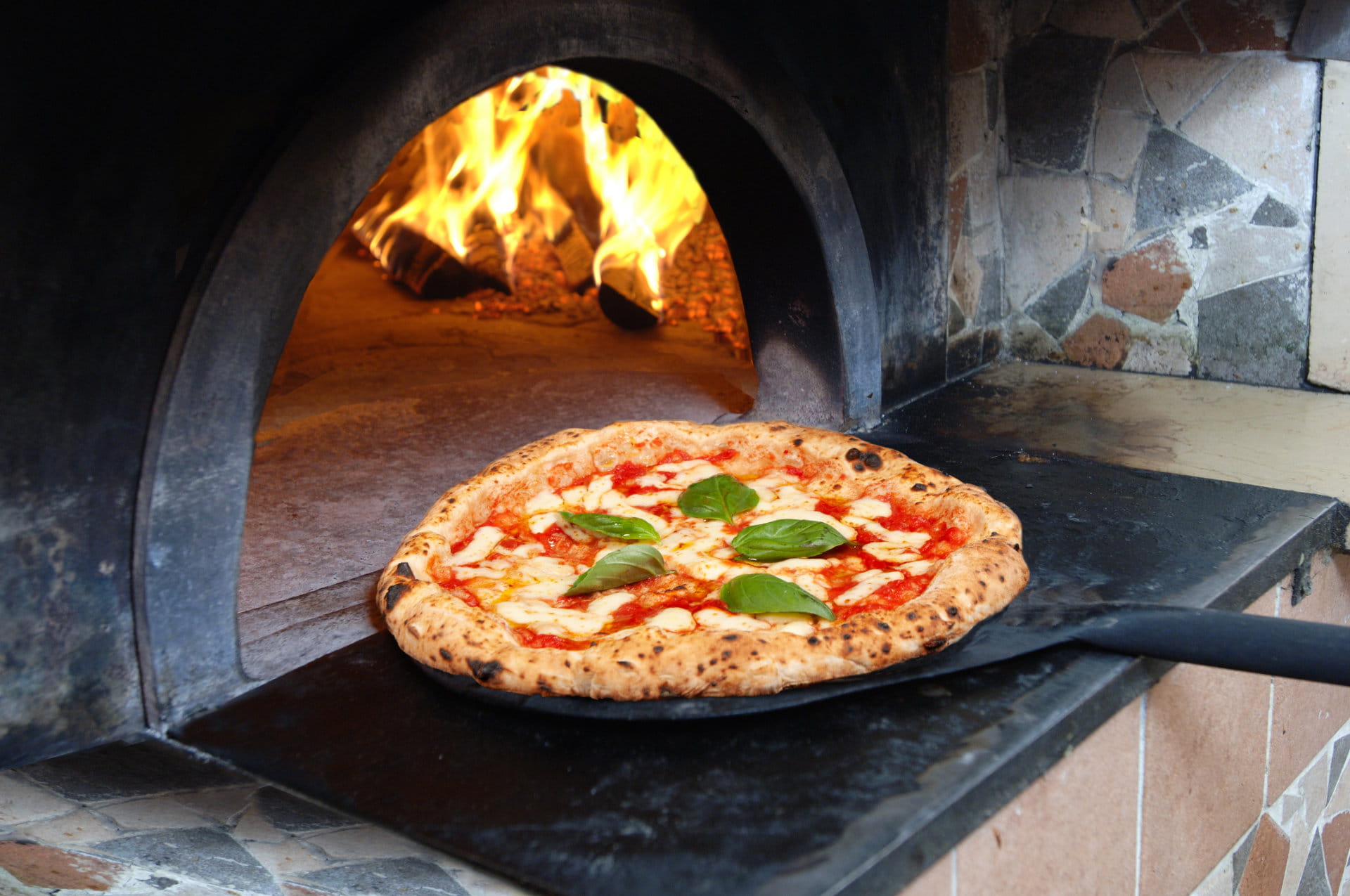
Pizza is, rightly, the most famous ambassador of Neapolitan cuisine around the world. But those who truly know Naples know that its street-food identity is far richer and more varied than a single dish, however iconic. Walking through the alleys of the historic centre, between Via dei Tribunali, Spaccanapoli, and the Quartieri Spagnoli, you’re enveloped in a mix of scents: fried food, freshly baked sweets, and specialities that tell the story of centuries of popular cuisine. Here’s a guide to what’s truly worth tasting in Naples, beyond pizza.
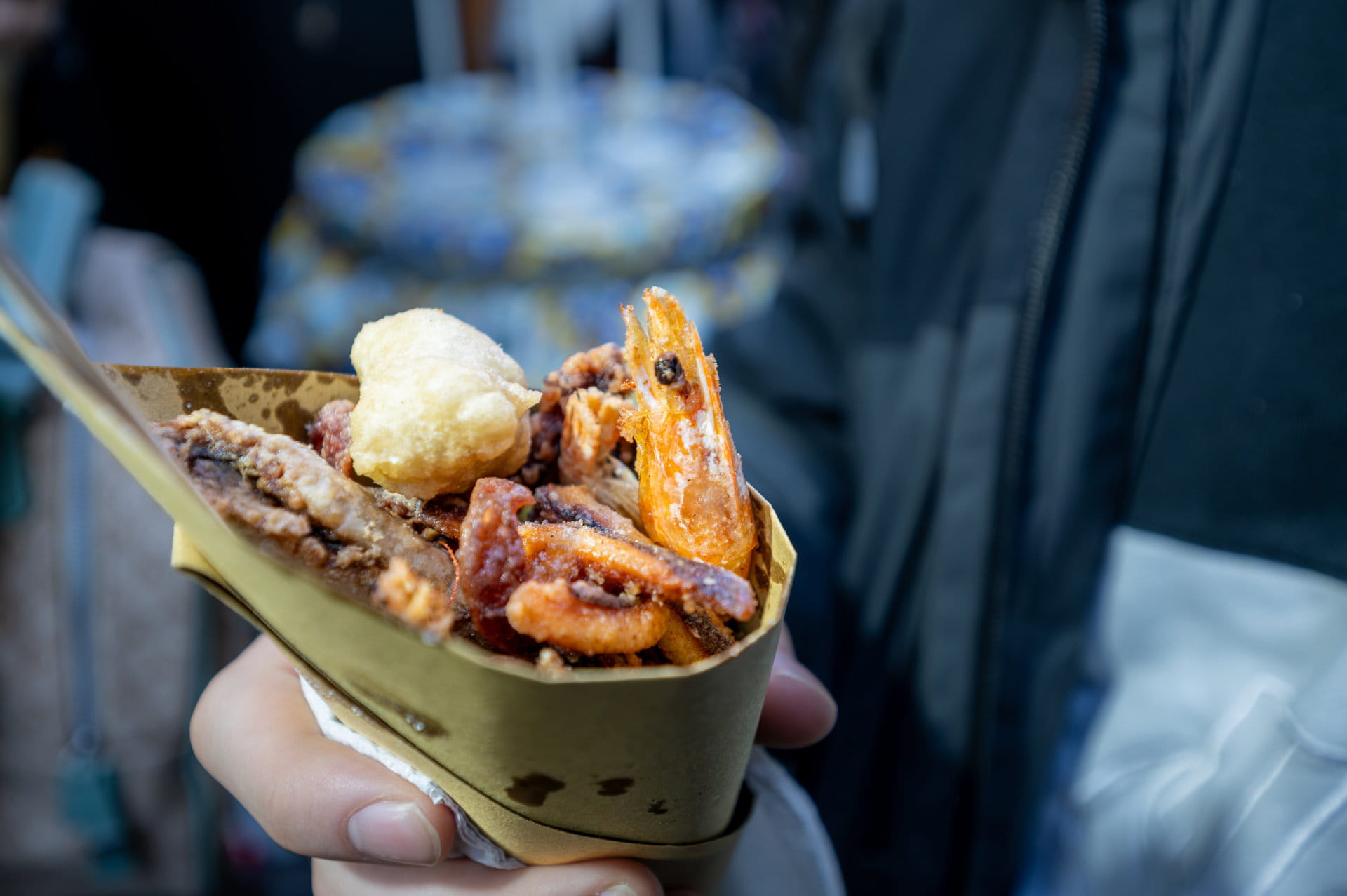
The cuoppo: the king of Neapolitan fried food
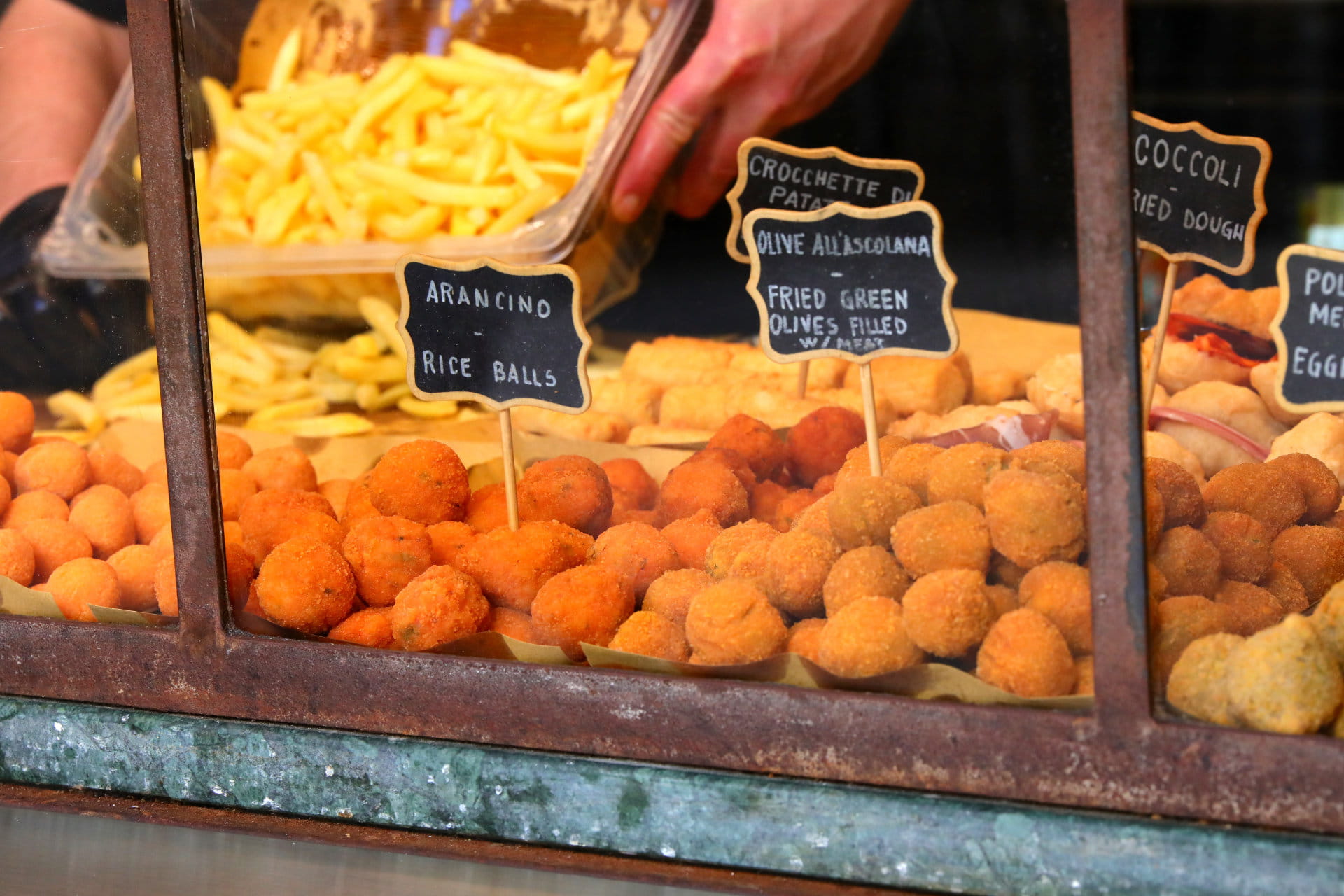
If pizza is the queen of Neapolitan street food, the cuoppo is undoubtedly its king. It’s a cone-shaped paper wrap, made from grease-proof paper, filled with a selection of fried food that varies from one friggitoria (fry shop) to another. The classic version, often called cuoppo di terra (“land cuoppo”), includes potato croquettes, deep-fried leavened dough balls (zeppoline), courgette-flower fritters in batter, small arancini, and battered vegetables. Seafood lovers shouldn’t miss the cuoppo di mare (“sea cuoppo”), with anchovies, squid, prawns, and tiny paranza fish fried to a golden crunch, best enjoyed piping hot, perhaps with a squeeze of lemon. The historic fry shops in the centre and in Vomero remain the go-to spots for tasting a properly made cuoppo.
Pizza fritta and frittatina: two brilliant variations
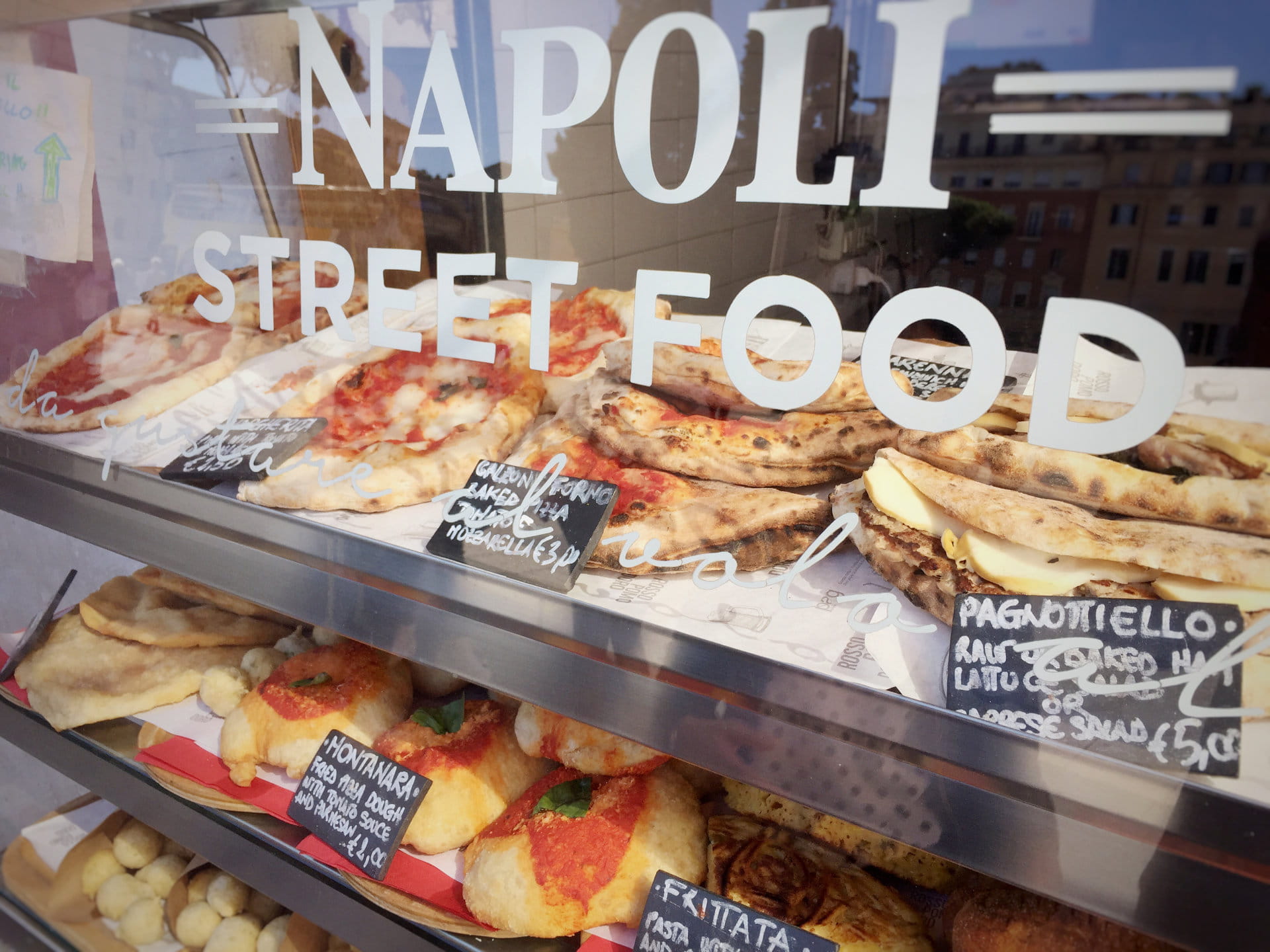
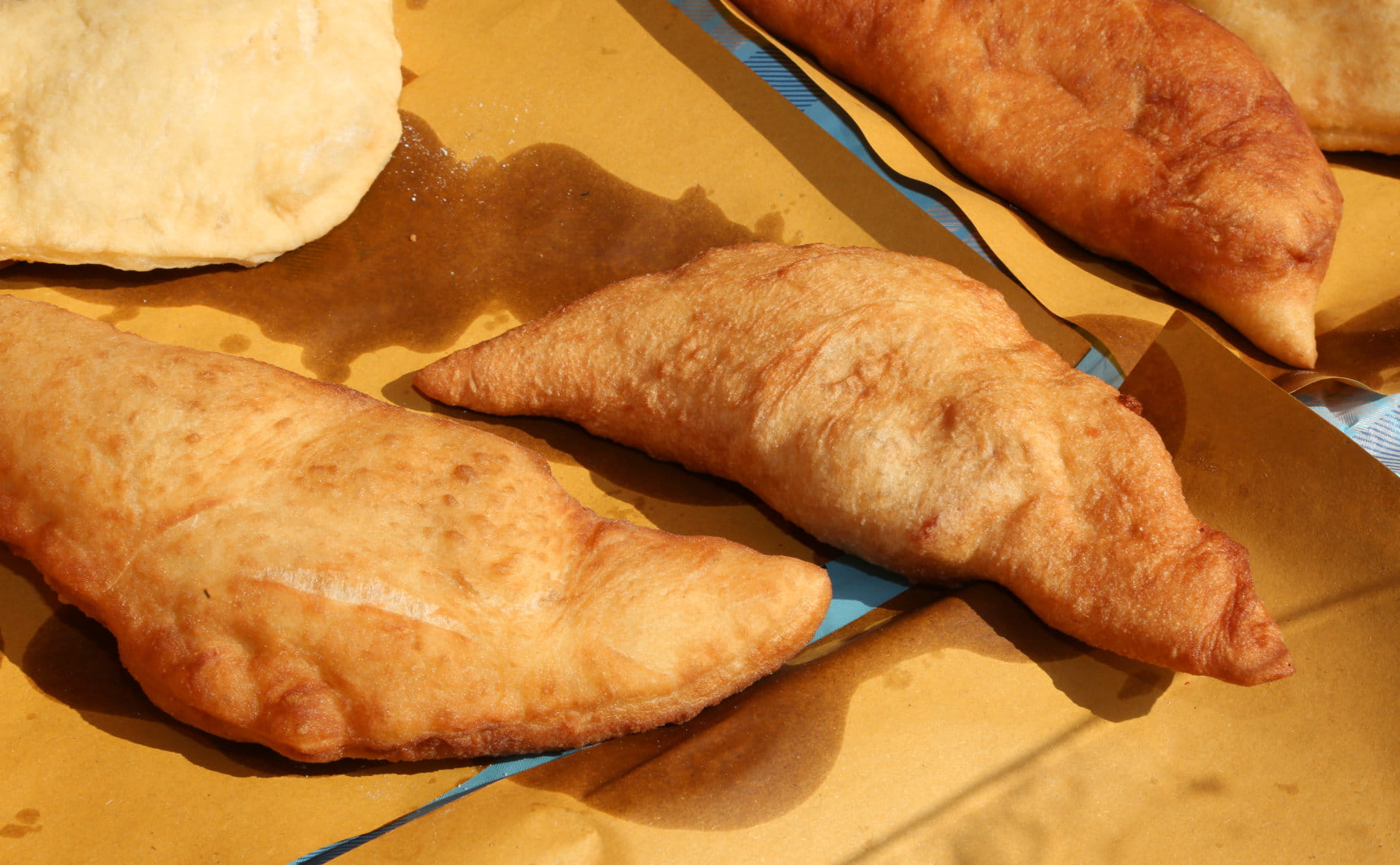
Alongside the classic oven-baked pizza, Naples has developed two variations over time that deserve a section of their own. Pizza fritta, as the name suggests, is fried rather than baked, often filled with ricotta, provola cheese, pork cracklings, and tomato, with a texture surprisingly different from traditional pizza but every bit as delicious. Frittatina di pasta, meanwhile, is born from a distinctly Neapolitan idea of using up leftovers: leftover pasta, often spaghetti or macaroni, is mixed with egg, cheese, and ingredients such as cooked ham or peas, then breaded and fried until it forms a small golden disc, crisp outside and creamy inside. In recent years it has become one of the most photographed symbols of contemporary Neapolitan street food.
The sweet side: sfogliatelle, babà, and graffe
Naples is no less generous when it comes to sweets to eat on the go. The sfogliatella, available in its riccia version, with thin, crisp layers, or in the softer frolla version, remains one of the absolute symbols of the city’s pastry tradition, filled with a cream made from semolina, ricotta, and candied fruit. The babà, soft and soaked in rum syrup, is another timeless classic, often served in small, single-portion sizes for eating on the move. Also not to be underestimated is the graffa napoletana, a leavened doughnut made with potato in the dough, fried and coated in sugar — perfect for an indulgent breakfast or a mid-morning snack while wandering the alleys.


Savoury and popular: from the Neapolitan panino to taralli
Among the offerings of historic rosticcerie (delis), you’ll often find the panino napoletano, a savoury oven-baked bun made with a dough similar to pizza dough, enriched with lard and filled with cured meats. Another great classic to try, especially while strolling along the seafront, is taralli ‘nzogna e pepe, crunchy taralli made with lard, pepper, and almonds, traditionally paired with a cold beer. For the more adventurous, keen to try the most authentic popular cuisine, ‘o pere e ‘o musso — a cold salad of pig’s trotter and veal snout, dressed with salt and lemon — is a historic speciality of Naples’ old tripe shops, bold in flavour and utterly uncompromising.

Where to go for an authentic experience
The best areas for a genuine street-food tour remain those of the historic centre, particularly Via dei Tribunali and Spaccanapoli, where historic delis and fry shops sit alongside more recent openings created to meet the growing wave of food tourism. The Vomero district, too, with its go-to fry shops, is well worth a visit for anyone wanting to try some of the city’s best fried food away from the more tourist-trodden areas. Either way, the golden rule remains the same: let yourself be guided by the smell, by the queue at the door, and, whenever possible, by the advice of someone who truly knows the city.
How much a tasting tour costs
One of the most appreciated features of Neapolitan street food is its value for money: a cuoppo of mixed fried food generally costs between five and eight euros, depending on the contents and the area, while a folded pizza-to-go (pizza a portafoglio) or a frittatina rarely cost more than three or four euros. This means that, on a modest budget, it’s possible to put together a genuine tasting tour, alternating savoury and sweet, fried and oven-baked, without ever spending as much as a sit-down restaurant meal would cost. It’s also one of the reasons street food remains the most authentic, as well as the most affordable, way to truly get to know the city’s popular cuisine.
Discover Naples with us
Naples' street food is best discovered on foot, wandering from one alley to the next, guided by the scents and stories of every shop. OtherWise Travel's walking tours can include exactly these food stops, combining the discovery of the city with its most authentic and delicious side. Discover Naples with us.